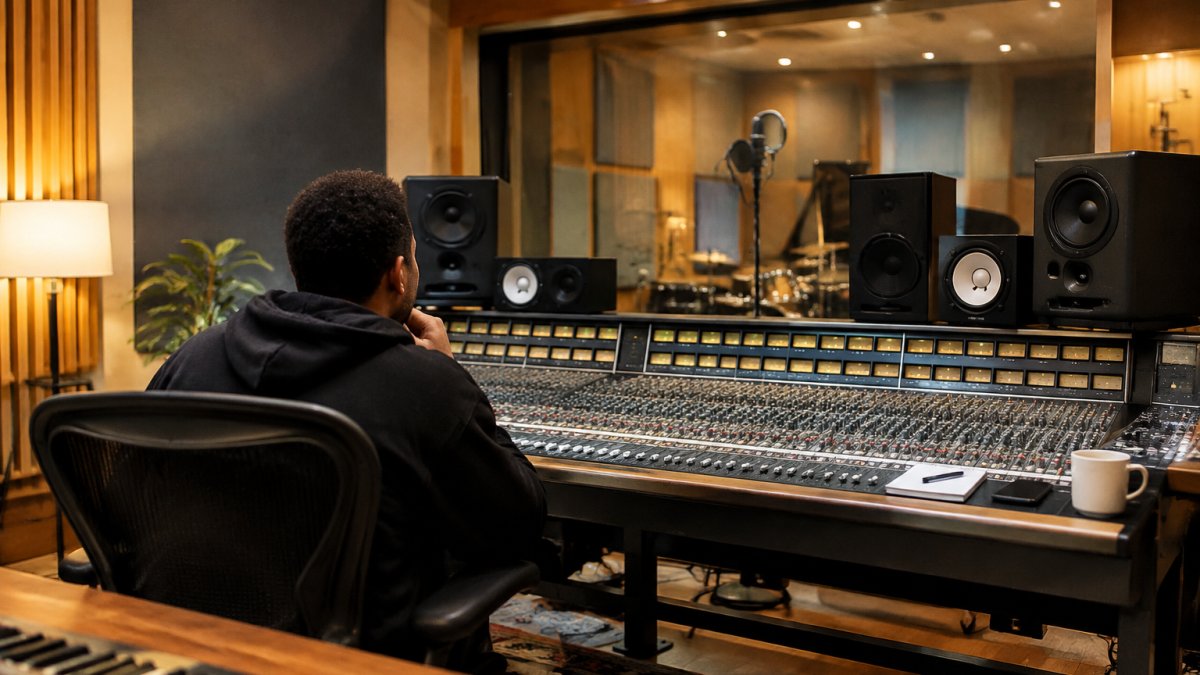
 How-to
7 Steps for How to Choose a Recording Studio
Last Updated: November 17, 2026
Quick Summary
To choose a recording studio, define your project goals first: the number of finished songs, the instrumentation, and the deadline. Then compare rooms by acoustics, gear, engineers, and total project cost rather than hourly rates alone. A short test session confirms the room and engineer fit before you book.
- Write down your song count, instrumentation, and deadline before you call any studio.
- Match the room to your genre: jazz needs a live room, hip-hop a treated vocal booth.
- Build total project cost from session time, deposit, editing, deliverables, and taxes.
- Book a short test session and check room sound, engineer communication, and monitoring.
- Confirm ownership, file formats, and how long the studio keeps your session files.
Table of Contents
- Step 1: Define Your Project Goals Before You Compare Studios
- Step 2: Judge Room Acoustics and Recording Spaces, Not Just Photos
- Step 3: Evaluate Recording Studio Equipment and Signal Chain
- Step 4: Meet the Engineer, Producer, and Studio Staff
- Step 5: Understand Recording Studio Cost, Billing, and Contracts
- Step 6: Ask the Right Recording Studio Booking Questions
- Step 7: Plan Recording Studio Session Preparation and Logistics
- Book Your Session at Soul Asylum Studios
- Frequently Asked Questions
Step 1: Define Your Project Goals Before You Compare Studios
Learning how to choose a recording studio starts with a decision most artists skip: defining what the project actually needs before you choose a recording studio. A single acoustic track, a five-piece band demo, and a Dolby Atmos mix for film all demand different rooms, different gear, and different engineers. Sessions often go sideways when the artist books a room before defining the outcome.
Write down three things before you make a single call: the number of finished songs, the instrumentation, and the deadline. That short list filters studios faster than any review site.
Match the Studio to Your Genre and Project Type
Genre shapes the room. A live jazz trio needs a spacious live room with natural reverb. A hip-hop vocal session needs a tight, treated vocal booth and a strong signal chain. Rock bands often want a room where drums can breathe.
Project type matters just as much. Tracking, mixing, mastering, ADR, and voiceover work each require different facilities and staff. Match the studio to the job, not the other way around.
Step 2: Judge Room Acoustics and Recording Spaces, Not Just Photos
Room acoustics decide your sound before a single microphone gets plugged in. A great console in an untreated room still produces muddy recordings. Ask about acoustic treatment, the difference between the control room and live room, and whether there's a dedicated vocal booth.
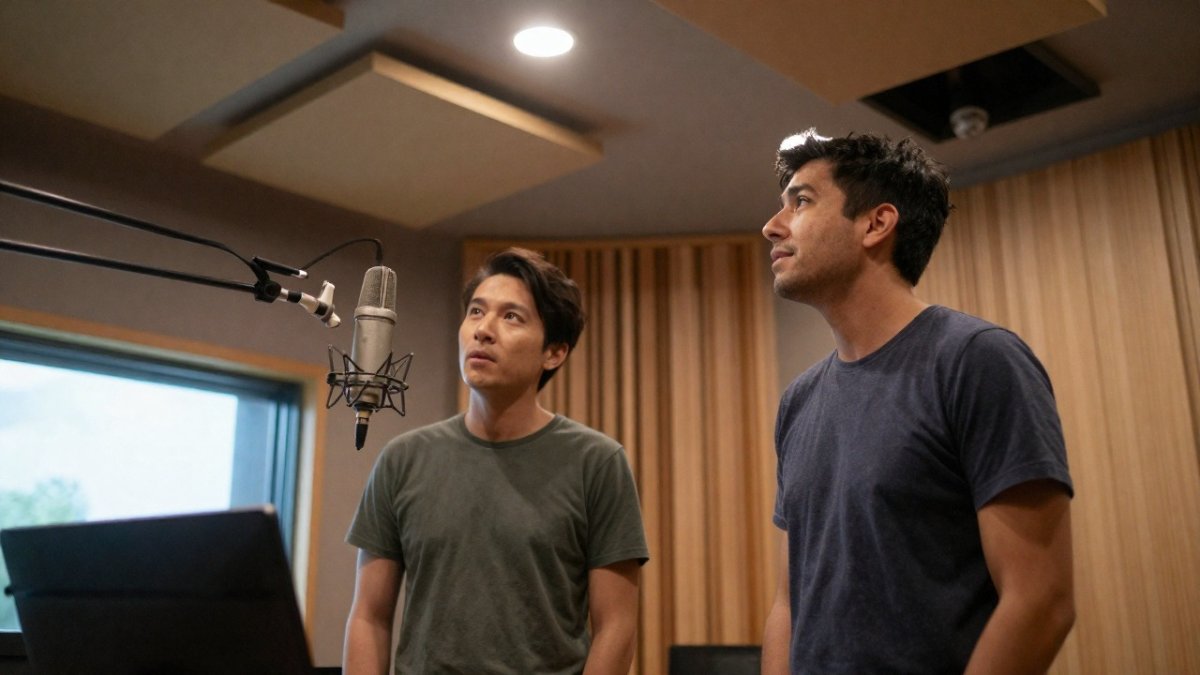
A studio tour tells you more than any website. Listen for natural room sound, check the isolation between spaces, and look at how the monitoring is set up. Our photo gallery shows the actual rooms and treatment, not just marketing shots, so you can judge the spaces before you visit.
Step 3: Evaluate Recording Studio Equipment and Signal Chain
Recording studio equipment is only as good as the signal chain it feeds. Ask what microphones, preamps, and monitoring the studio runs, and whether the gear suits your genre. A vintage analog chain flatters some voices and fights others.
Microphone Selection, Monitoring, and the Gear That Fits Your Sound
Microphone selection should follow the source. A bright condenser can make a harsh vocal harsher; a ribbon or dynamic mic might sit better. Ask which mics the engineer would reach for on your voice or instrument, and why.
Monitoring matters too. If you can't hear accurately in the control room, you'll approve mixes that fall apart on car speakers. Ask whether the studio offers headphone mixes for the whole band.
Step 4: Meet the Engineer, Producer, and Studio Staff
The recording engineer shapes your session as much as the room does. Ask who will actually run your session, what they've worked on, and how they handle artists who freeze up under pressure. A nervous singer needs a patient engineer, not just elite gear.
Request sample recordings from past work in your genre. Listen for sound quality, not just credits. Our engineers page lists who you'll be working with and their background, so there's no mystery about who's behind the board.
Step 5: Understand Recording Studio Cost, Billing, and Contracts
Recording studio cost depends on session length, room, engineer, and deliverables, so ask for the billing method up front. Most studios quote an hourly or block rate, but the number that matters is your total project cost. Build that total from five line items before you compare studios.
1. Session time and minimum blocks. Ask whether the studio bills hourly or in fixed blocks, and what the minimum block is. A longer minimum block can be cheaper than an hourly rate if your session runs long, and more expensive if you only need a short session.
2. Deposit and cancellation terms. Get the deposit amount, whether it is refundable, and the cancellation window in writing. Deposit and rescheduling terms vary across studios. Ask what happens if the studio cancels or the engineer is unavailable.
3. Editing, mixing, and mastering. Tracking is rarely the whole bill. Ask whether comping, tuning, editing, mixing, and mastering are included, billed hourly, or quoted per song. A studio that includes rough mixes but charges separately for stems or revisions can cost more than a higher hourly rate that bundles them.
4. Deliverables and file formats. Confirm what you receive and in what format: WAV, AIFF, MP3, stems, session files, or all of the above. Ask whether file delivery, cloud upload, or hard-drive transfer is included or billed as an extra.
5. Taxes and fees. Ask whether the quoted rate includes applicable sales tax and any facility or equipment fees, so the invoice matches the quote.
| Cost Line | What to Ask | Why It Matters |
|---|---|---|
| Rate structure | Hourly, block, or package? What is the minimum? | Sets your session budget |
| Overtime | Billed per hour or per block? When does it start? | Prevents surprise charges |
| Deposit | Refundable or credit only? What is the cancellation window? | Protects you on cancellations |
| Editing and mixing | Included, hourly, or per song? | Changes total project cost |
| Deliverables | Which formats, stems, session files? Delivery fee? | Defines finished work |
| Taxes and fees | Included in the quote? | Keeps the invoice accurate |
Watch out: a low hourly rate with a long minimum block, separate mixing fees, and a non-refundable deposit can cost more than a higher rate that bundles those items, so compare total project quotes, not rates.
Our studio pricing page lays out rates and billing details so you can budget before booking.
Step 6: Ask the Right Recording Studio Booking Questions
Recording studio booking questions should cover availability, session length, deliverables, and ownership, but the most useful question is whether you can audition the room and the engineer before you commit a full session. A short test session answers more than any phone call.
Run a Studio Audition or Test Session
Consider booking a short session and treating it as an evaluation, not a performance. Bring one representative song or part, not your whole project. During the session, check four things:
- Room sound. Record a short pass in the live room and the vocal booth. Listen for unwanted reflections, rumble, or isolation bleed from adjacent spaces.
- Engineer communication. Notice whether the engineer asks about your references, explains mic choices, and tells you what they are hearing. You are judging how they will handle a revision, not just how they set up a mic.
- Monitoring. Ask for a rough mix and listen on the control-room monitors, then on headphones, then in your car. If the mix falls apart outside the control room, the monitoring is not giving you an accurate picture.
- Sample recording. Ask for a rough bounce of the test so you can compare it with your reference tracks at home before you book the full session.
Deliverables, Ownership, and Backup Policies
Get ownership in writing. Confirm you receive the final mixes, and ask how long the studio keeps your session files. Ask whether stems and session files are included or cost extra, and which formats you receive.
Availability, Session Length, and Scheduling
Ask how far in advance you need to book, whether the studio holds a room for a multi-day project, and how session length is counted. Confirm whether setup and teardown time is billed, and whether the engineer is booked for the full session or only tracking hours.
Our engineers page lists who you'll be working with and their background, so there's no mystery about who's behind the board.
Step 7: Plan Recording Studio Session Preparation and Logistics
Recording studio session preparation saves paid time. Rehearse your parts, bring reference tracks, and confirm location, parking, and amenities before the day arrives. Know the session length and build in buffer time for setup.
Pack strings, picks, lyric sheets, and snacks. Confirm load-in access and whether the studio has a lounge to decompress between takes. Review our studio regulations before you arrive so logistics never eat into session time.
Book Your Session at Soul Asylum Studios
The hardest part of choosing a studio is trusting that the room, the gear, and the engineer all fit your project. Soul Asylum Studios Group was established in 1993 and operates a 13,000-square-foot facility with a 9.1.6 Dolby Atmos mixing stage, a Platinum Recording Suite, and a cycloramic Diamond Suite for video work.
Get started with Soul Asylum Studios and book a room built for the way you create.
Ready to stop comparing and start recording? Bring your project goals, your reference tracks, and your questions. We'll help you find the right room, the right engineer, and the right session length so your budget goes into the music, not into guesswork.
Frequently Asked Questions
How much does a good recording studio cost?
Recording studio cost depends on the room, the engineer, and how long you book. Expect hourly rates to climb as you move from a home setup to a professional room with treated acoustics and a house engineer, and expect day rates to be lower per hour than short sessions. Ask whether mixing, mastering, and file delivery are included or billed separately, and confirm how overtime is charged before you sign. Soul Asylum Studios lists current packages on its pricing page.
What questions should you ask before booking a recording studio?
Ask who will engineer your session and whether you can hear their past work first. Confirm the hourly rate, the minimum booking length, the overtime policy, and whether a deposit is refundable. Ask what happens if equipment fails mid-session and whether that time is credited. Then ask about deliverables: what file formats you receive, who owns the masters, and how long the studio keeps backups. Get the answers in writing so nothing is settled by memory on session day.
Should you choose a studio based on its equipment or its engineer?
Start with the engineer, then check the gear. A skilled engineer with a modest signal chain will usually deliver a better record than top-tier microphones run by someone who does not understand your genre. That said, recording studio equipment still matters: listen for whether the room and monitoring let the engineer hear problems before they reach your mix. Ask for sample recordings from both, and judge the sound quality rather than the brand names on the console.
How do you evaluate a studio before committing to a full session?
Ask about a short test session or studio tour before committing, and treat it as an audition. Bring one song, record a verse and a chorus, and listen back on the studio's monitoring. Watch how the engineer handles your feedback and whether the room helps you relax. Ask about session workflow, booking availability, and parking so the day itself runs smoothly. A small test session costs far less than discovering mid-album that the fit is wrong.
